July 9, 2024
Why are there so many lakefront maintenance restrictions in Central Florida and how do they benefit the environment, property owners, and the community?
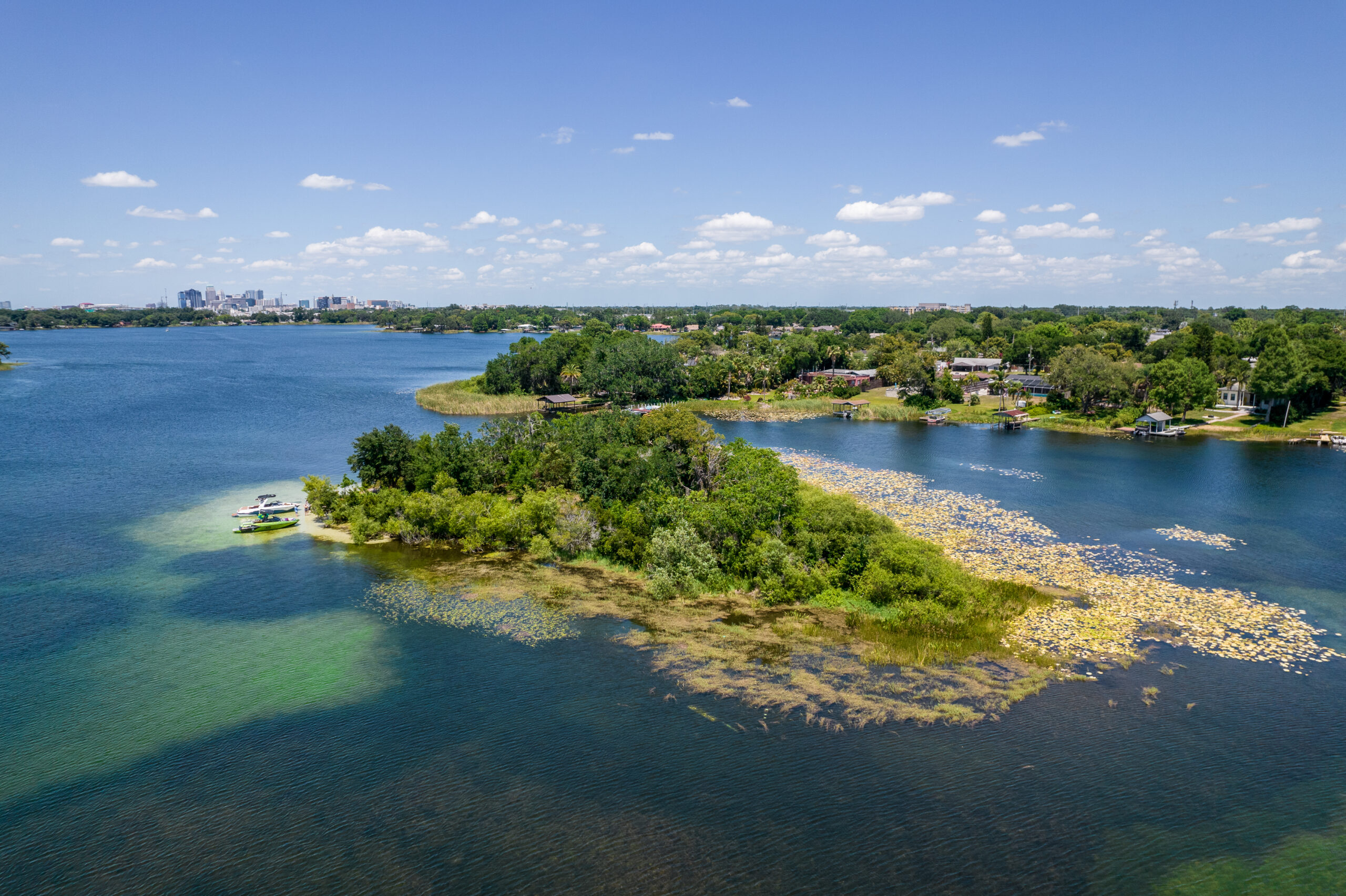
Let’s delve into why there are so many restrictions on lakefront maintenance in Central Florida and how they benefit the environment, property owners, and the community.
Overview
- Environmental Protection: Safeguarding ecosystems and water quality.
- Preventing Erosion: Ensuring stable and sustainable shorelines.
- Invasive Species Control: Managing non-native plants and animals.
- Public Safety: Reducing risks associated with lakefront properties.
- Compliance and Penalties: Understanding the legal framework and consequences.
Environmental Protection
Safeguarding Aquatic Ecosystems
Central Florida is home to a vast array of lakes, each teeming with unique flora and fauna. Restrictions on lakefront maintenance help protect these delicate ecosystems. For instance:
- Wetlands Protection: Wetlands act as natural water filters and provide habitat for wildlife. Regulations prevent their destruction and promote their conservation.
- Water Quality: Activities that can cause pollution or increase nutrient runoff are regulated to prevent harmful algal blooms and ensure clean, safe water.
For more information on wetlands protection, visit the Florida Department of Environmental Protection.
Benefits
- Maintains biodiversity and supports native species.
- Ensures the long-term health of the lake for future generations.
Preventing Erosion
Ensuring Stable and Sustainable Shorelines
Erosion is a significant concern for lakefront properties. Without proper management, shorelines can quickly degrade, leading to property loss and environmental damage. Restrictions on activities like construction and vegetation removal help mitigate this risk.
- Shoreline Stabilization: Regulations often require permits for shoreline stabilization projects to ensure they are done in an environmentally friendly manner.
- Buffer Zones: Maintaining vegetation along the shoreline helps prevent erosion and provides habitat for wildlife.
For detailed guidelines on shoreline stabilization, refer to the St. Johns River Water Management District.
Benefits
- Protects property values and reduces the risk of costly repairs.
- Preserves natural landscapes and habitats.
Invasive Species Control
Managing Non-Native Plants and Animals
Invasive species pose a serious threat to Florida’s native ecosystems. Regulations help control and manage these species to prevent them from outcompeting native flora and fauna.
- Vegetation Management: Permits are required for removing or altering vegetation to ensure that invasive species are not inadvertently spread.
- Wildlife Protection: Restrictions on certain activities help prevent the introduction and spread of invasive animals.
Learn more about managing invasive species at the Florida Fish and Wildlife Conservation Commission.
Benefits
- Promotes the health and diversity of native ecosystems.
- Reduces long-term management costs and environmental impacts.
Public Safety
Reducing Risks Associated with Lakefront Properties
Lakefront properties can pose various safety hazards, from unstable banks to water pollution. Regulations are designed to minimize these risks and protect the public.
- Structural Safety: Permits ensure that docks, seawalls, and other structures are built to safety standards.
- Pollution Control: Restrictions on certain chemicals and activities help maintain water quality and prevent health hazards.
For more on ensuring structural safety, check out the U.S. Army Corps of Engineers.
Benefits
- Ensures safe recreational areas for residents and visitors.
- Protects public health and reduces liability for property owners.
Compliance and Penalties
Understanding the Legal Framework and Consequences
Compliance with lakefront maintenance regulations is crucial. Failure to adhere to these rules can result in significant fines and legal actions. It’s important to understand the local, state, and federal regulations that apply to your property.
- Permitting Process: Navigating the permitting process can be complex, but it ensures that all activities are environmentally sound and legally compliant.
- Penalties for Non-Compliance: Ignoring regulations can lead to hefty fines, legal fees, and mandatory restoration projects.
For comprehensive details on permits and compliance, visit the Florida Department of Environmental Protection’s Permitting Portal.
Benefits
- Avoids legal issues and financial penalties.
- Ensures responsible stewardship of natural resources.
At Project 7 Services, we understand the complexities of lakefront maintenance regulations in Central Florida. Our team of experts is here to help you navigate these rules, ensuring that your property remains beautiful, functional, and compliant. Contact us today to learn more about our lakefront maintenance services and how we can assist you in maintaining a pristine and sustainable shoreline.