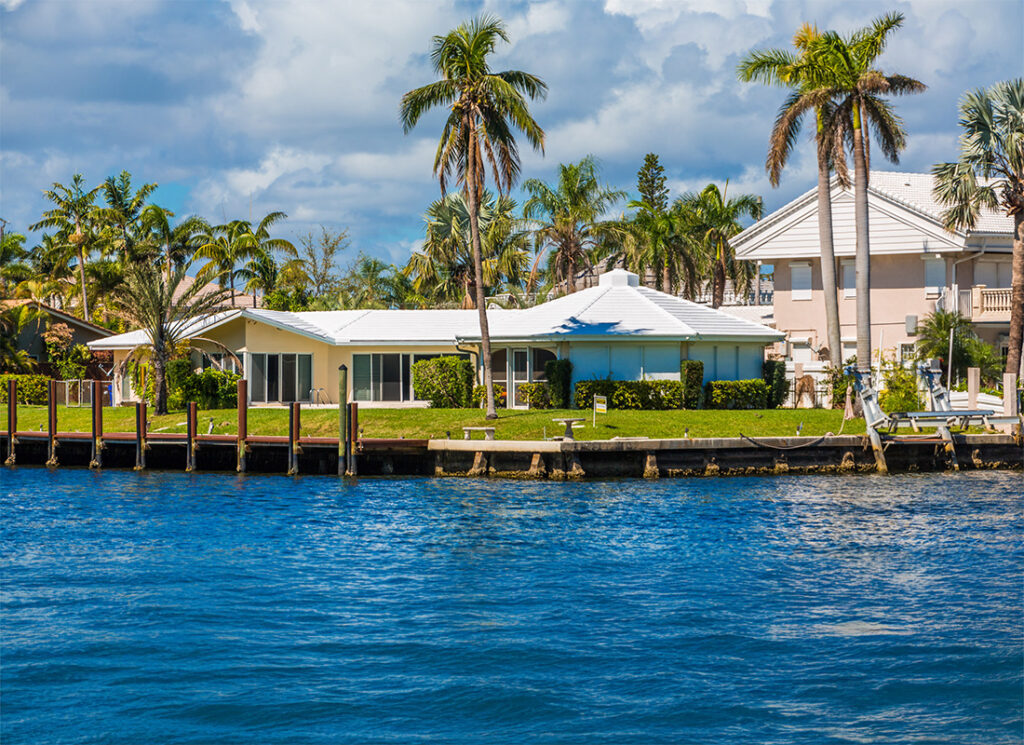
In Central Florida’s warm, subtropical climate, ponds and canals quickly accumulate organic debris, invasive plants, sediment, and trash, which can lead to poor water quality, blockages, and ecological imbalance. A systematic cleaning approach restores depth and flow, prevents harmful algal blooms, protects wildlife habitat, and ensures compliance with regional regulations. This checklist—grounded in best practices and Florida-specific guidance—offers property owners and managers a turnkey plan for year‑round pond and canal maintenance, from initial assessment through post‑cleaning care.
Why Regular Pond & Canal Cleaning Is Essential
Florida’s canals and ponds serve critical roles in stormwater management, recreation, and community aesthetics, yet they face rapid accumulation of vegetative debris and sediment. Unmanaged muck fosters anaerobic conditions, releases unpleasant odors, and fuels algae growth. Debris such as fallen branches, litter, and abandoned equipment can obstruct water flow, damage banks, and potentially violate state debris removal rules. Consistent cleaning protects infrastructure (e.g., inlet and outlet structures), preserves storage capacity, and enhances curb appeal for both residential and commercial properties.
Central Florida Regulatory & Environmental Considerations
Permitting & Compliance
Dredging, filling, or substantial debris removal often requires an Environmental Resource Permit (ERP) from the Florida Department of Environmental Protection to protect wetlands and water quality under state statutes.
Learn more at: https://floridadep.gov/water/submerged-lands-environmental-resources-coordination/content/erp-dredging-and-filling?
Invasive Aquatic Plant Control
The Florida Fish & Wildlife Conservation Commission enforces management of hydrilla, water hyacinth, water lettuce, and other invasives in public waters to prevent navigation hazards and ecological harm.
Learn more at: https://myfwc.com/wildlifehabitats/habitat/invasive-plants/aquatic-plant/
Local County Guidelines
Many Central Florida counties recommend routine inspections of retention ponds—including bank mowing, trash removal, and structural checks—to maintain functional stormwater systems and comply with municipal codes.
Learn more at: https://orange.wateratlas.usf.edu/upload/documents/RetentionPondMaintenance.pdf
The Complete Cleaning Checklist
1. Initial Assessment & Planning
Site Survey: Measure pond/canal surface area, depths, and existing vegetation cover.
Water Quality Testing: Check pH, dissolved oxygen, and nutrient levels to identify issues like eutrophication.
Permits & Notifications: Secure any required ERPs and, if using chemical treatments on invasives, notify the FWC as needed.
2. Vegetation & Debris Removal
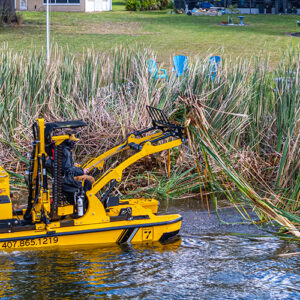
Mechanical Harvesting: Employ aquatic weed harvesters or manual raking to remove invasive plants, focusing on complete extraction to prevent regrowth.
Trash & Large Debris: Skim surface litter, remove branches, and coordinate removal of abandoned vessels or equipment per DEP guidelines.
Shoreline Clearing: Trim overhanging limbs, remove accumulated leaf litter, and clear bank vegetation to reduce nutrient runoff.
3. Sediment & Muck Management
Hydro‑Raking or Dredging: Use hydro‑rakes or small dredges to extract soft, organic muck and restore depth while reducing internal nutrient loading.
Sediment Disposal: Test dredged material for contaminants and dispose or repurpose it following county regulations.
Erosion Control: After muck removal, stabilize banks with native grasses, biodegradable mats, or riprap to prevent future erosion.
4. Structural & System Inspections
Inlet/Outlet Structures: Clear blockages, repair grates, and ensure flow-control devices are functioning properly.
Fencing & Access Points: Inspect and maintain any safety fencing and clear access paths for equipment and personnel.
5. Post‑Cleaning Water Management
Aeration & Circulation: Install diffused aerators or fountains to maintain dissolved oxygen levels, deter stratification, and enhance ecosystem health.
Algae Prevention: Monitor for early algal blooms and apply EPA‑approved algaecides only when necessary and in accordance with FDEP standards.
Native Plant Buffer Zones: Establish a buffer of native shoreline vegetation (10–20 ft wide) to filter runoff, stabilize banks, and support wildlife.
Maintenance Scheduling & Best Practices
Routine Inspections: Perform visual checks every 4–8 weeks, increasing frequency after heavy rainfall or during peak growth seasons.
Seasonal Deep‑Cleans: Schedule major cleanings in late winter or early spring, before summer heat accelerates algae and weed growth.
Record Keeping: Log all maintenance activities, water quality readings, and permit documents to streamline future services and compliance reviews.
Conclusion & Next Steps
A checklist-driven approach to pond and canal cleaning revitalizes your waterbody, protects property value, and ensures environmental compliance in Central Florida’s unique climate. For professional, eco‑friendly implementation—complete with permit expertise and tailored maintenance plans—contact Project 7 Services. Our team specializes in non‑toxic aquatic vegetation control, sediment removal, and habitat enhancement across Orlando, Kissimmee, Winter Park, Clermont, and beyond.
Ready to restore your pond or canal?
📞 (407) 865‑1219 | 🌐 project7services.net/