The Homeowner’s Guide to Lakefront Weed Removal in Florida
September 28, 2023
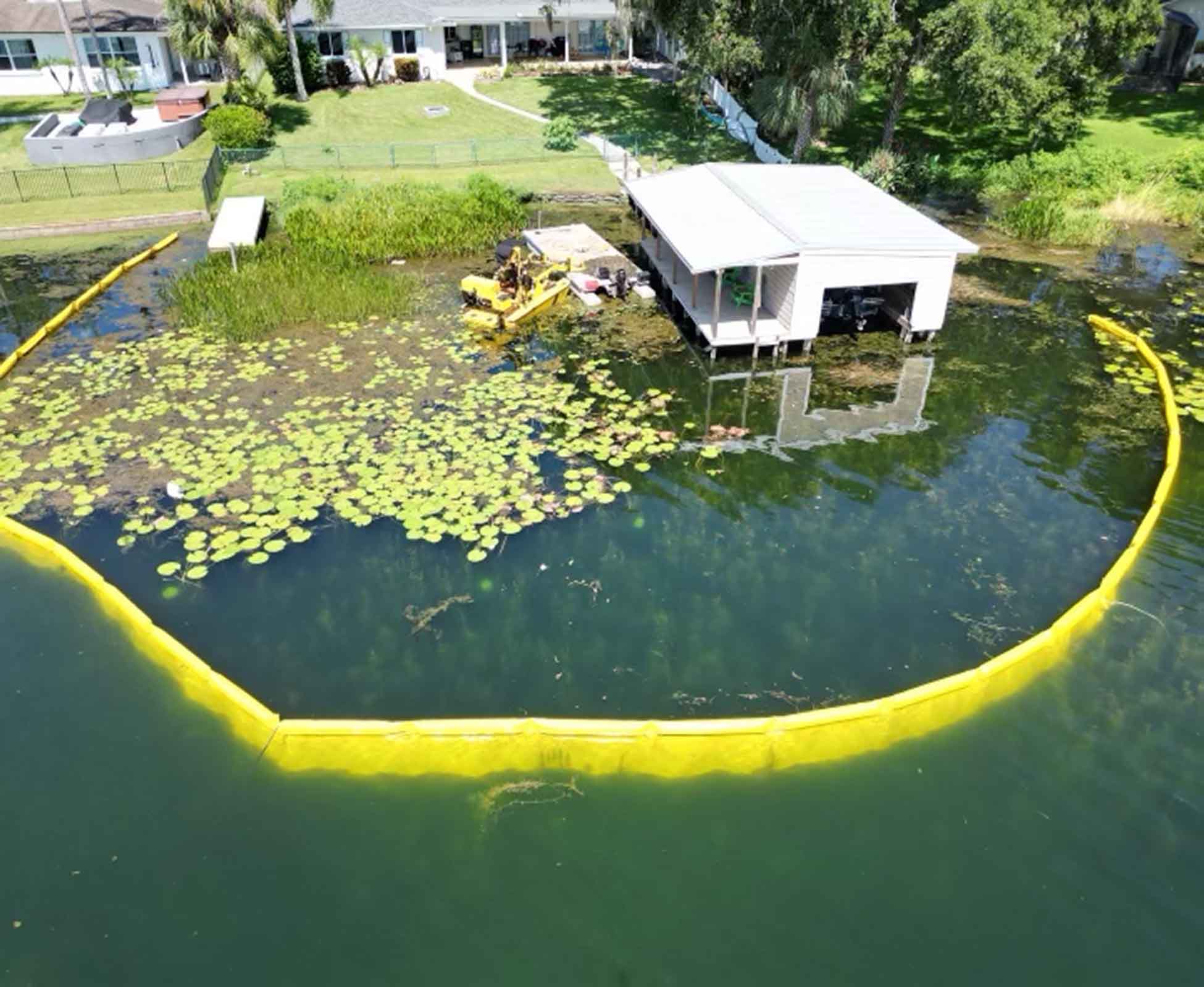
Florida, with its vast expanses of pristine water bodies, has been a favored destination for homeowners seeking that idyllic waterfront view. But with the beauty of a lakefront property comes the challenge of maintenance, particularly dealing with aquatic weeds. Tackling these pesky plants might seem daunting, but with the right approach, it’s a manageable task. Here’s a handy guide for Florida homeowners to keep their lakefronts beautiful and compliant.
Why Lakefront Weed Removal is Essential
Aquatic weeds, while natural, can grow rapidly and take over your waterfront, impacting both the aesthetic appeal and the health of the water ecosystem. Overgrown weeds can:
- Block sunlight, affecting the marine life below.
- Become a breeding ground for mosquitoes and other pests.
- Affect recreational activities like boating and fishing.
But it’s not just about removing the weeds – it’s about doing it right.
Stay in the Clear with EPD & FWC Compliance
The Florida Fish and Wildlife Conservation Commission (FWC) and the Environmental Protection Department (EPD) has clear guidelines on aquatic weed control. Some aquatic plants are protected and can only be trimmed, while others can be fully removed. As a homeowner, you don’t want to unintentionally run afoul of these regulations.
For instance, let’s take the real-life example of Mr. Thompson from Orlando. He decided to clear the overgrown plants in his lakefront without prior research. Not only did he end up using harmful chemicals, but he also removed some protected species. The result? A hefty fine and a tarnished lakefront ecosystem.
Choose the Right Removal Method
There are several methods to remove aquatic weeds:
- Manual Removal: Good for small areas. Requires physically pulling out the weeds.
- Biological Methods: Introducing species that feed on these weeds, like the grass carp.
- Chemical Control: Using herbicides. However, it’s essential to choose environmentally friendly options that won’t harm the marine life or degrade the quality of the water.
A popular environmentally-conscious choice among homeowners in Tampa Bay has been to employ biological methods. They introduced grass carp into their water systems, which feed on problematic weeds, naturally keeping their growth in check.
Lorem ipsum dolor sit amet, consectetur adipiscing elit, sed do eiusmod tempor incididunt ut labore et dolore magna aliqua. Dolor sit amet consectetur adipiscing elit.
Lorem Ipsum
Routine Maintenance is Key
For homeowners, especially in Central Florida with its unique climate, annual clearing of the lakefront is advisable. A regular check ensures:
- Early detection of invasive species.
- The lakefront stays visually appealing throughout the year.
- Prevention of accumulation of dead organic matter which can affect water quality.
Navigating the Permitting Maze
Before diving into lakefront maintenance, it’s crucial to secure the necessary local council permits. While the idea of “red tape” might sound off-putting, Project 7 Services specializes in aquatic maintenance has the expertise to navigate these waters seamlessly. We ensure that homeowners remain compliant, avoiding any potential citations.
Final Thoughts
Owning a lakefront property in Florida is a dream come true for many. However, with the beauty comes the responsibility of maintaining it. By staying informed, compliant, and adopting safe weed removal practices, homeowners can ensure their slice of paradise remains just that – a paradise. If you’re ever unsure, feel free to contact our expert team at Project 7 Services. After all, the beauty of Florida’s waterways is a collective treasure, and preserving it is our shared responsibility.
We aren't legal experts, but if you own the land and the entirety of the lake or pond–and if it's less than 160 acres– you might not need a permit. For freshwater areas that aren't designated nature preserves, you might be able to manually remove up to half of the weeds, either with your hands or using tools like weed rakes.
Using chemicals could lead to potential issues, so it's best to avoid them if you don't want to face a hefty EPD fine!
Invasive aquatic weeds can cause significant ecological and economic harm in Florida. The University of Florida, Institute of Food and Agricultural Sciences (UF/IFAS) has identified several of these problematic species. Some of the invasive aquatic plants listed by the UF/IFAS include:
Hydrilla (Hydrilla verticillata): Often called the "perfect aquatic weed," hydrilla can grow rapidly and choke out native vegetation.
Water Hyacinth (Eichhornia crassipes): A free-floating plant with attractive purple flowers, but it can quickly cover water surfaces, reducing water flow and crowding out native species.
Water Lettuce (Pistia stratiotes): Another free-floating plant, water lettuce can form dense mats that block sunlight and reduce oxygen levels in the water.
Brazilian Pepper (Schinus terebinthifolia): This shrub or small tree grows along the water’s edge and can form dense thickets, displacing native vegetation.
Giant Salvinia (Salvinia molesta): A free-floating fern, giant salvinia forms thick mats that can hinder water flow and recreation.
Eurasian Watermilfoil (Myriophyllum spicatum): This submerged plant can form dense underwater stands that displace native plants and disrupt water-based recreation.
Torpedo Grass (Panicum repens): A persistent grass that can invade the shallow waters and shores of water bodies, displacing native vegetation.
Cuban Bulrush (Schoenoplectus cubensis): Often forms dense stands in wetland areas, reducing the diversity of other plant species.
Old World Climbing Fern (Lygodium microphyllum): A fast-growing fern that can cover large areas, smothering native plants and altering natural fire regimes.
Alligator Weed (Alternanthera philoxeroides): A floating or emergent plant that can clog waterways and displace native species.
This is just a partial list, and the full scope of invasive aquatic plants in Florida is more extensive. If you suspect you have invasive species on your property or in your water body, it's crucial to consult with experts and get proper identification. Additionally, always ensure you're following local regulations and best practices when attempting to control or remove these species.
It's best not to use chemicals to remove any aquatic weeds in Florida. Managing aquatic weeds can be achieved safely and effectively using simple tools. Here's a quick guide:
Tools: Opt for a weed rake or weed knife to cut down the intrusive plants. After cutting, use a standard rake to gather and remove them from the water.
Disposal: Once collected, treat these aquatic weeds just as you would with other garden waste. You can compost them, or place them in your yard waste disposal. Or let Project 7 Services handle the whole job and take them away for you!
Consequat ac felis donec et odio pellentesque. Enim tortor at auctor urna nunc id cursus. Sagittis eu volutpat odio facilisis mauris. Etiam erat velit scelerisque in dictum.
Related posts
Shoreline Weed Control in Windermere: Protecting Lake Butler and Isleworth Properties
Shoreline Weed Control in Windermere: Protecting Lake Butler and Isleworth PropertiesShoreline weed control in Windermere is more than a cosmetic...
Signs You Need Lake Cleaning Service in Florida
Signs You Need Lake Cleaning Service in FloridaIf you own lakefront property in Florida, knowing the signs you need lake...
Why Lake Maintenance Is Critical for Central Florida Golf Courses
Golf course lake maintenance in Florida is about more than just visual appeal—it's vital for turf health, property value, and...